
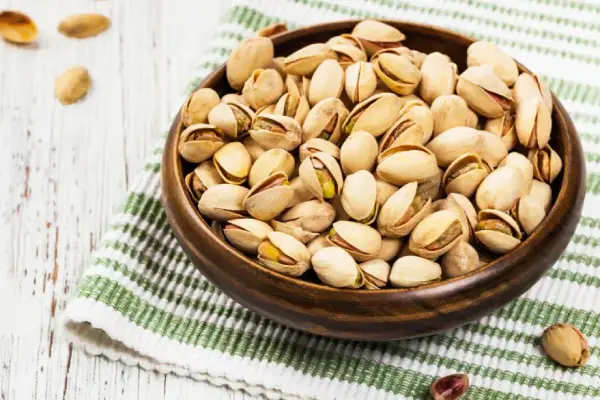
Pistachios are a type of nut that grows in any climate and offers you wonderful properties. Among the most important properties of pistachios are their abundant fiber and excellent vitamins for the body. If you want to buy pistachios, you should know that different types of pistachios have different properties and flavors. From different types and different methods of pistachios to their flavoring, this has an impact. Roasted pistachios and salted pistachios are among the most popular flavored pistachios. Raw pistachios also have the original flavor of pistachios. You can easily prepare one by examining the properties and benefits of each of these pistachios. Stay with us as we continue to explore this topic further. Do roasted pistachios have more benefits than raw pistachios? A question that may have been on the minds of many people is whether roasted pistachios have more benefits than raw pistachios. In response to this question, it should be said that roasting pistachios does not destroy many of their benefits. As you can see in the previous table, only in a small number of cases and a very small amount of them do the benefits of pistachios decrease with roasting. The only difference between raw and roasted pistachios is that roasted pistachios have a smaller kernel volume due to exposure to heat; of course, this increases the density of the pistachio kernel, which is enjoyable for some customers. Are salted pistachios a healthier choice than raw pistachios? Raw pistachios and salted pistachios are both nutritious and beneficial, but they differ in salt, calorie, and processing. Raw pistachios are free of added salt and fat, making them a healthier option for people with high blood pressure. They also retain their natural nutrients, but some people may find the taste less appealing. Salted pistachios, on the other hand, taste better and are more enjoyable for many people, but due to their sodium content and sometimes added oil, eating too much of them can lead to high blood pressure and calorie intake. Although salted pistachios are a tastier option,
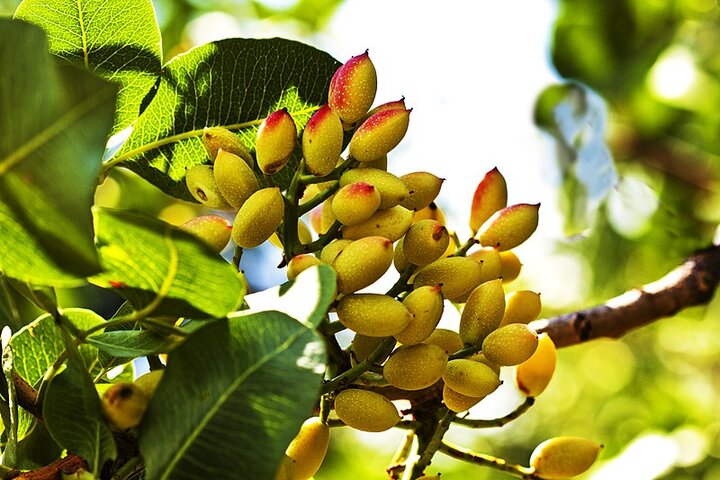
Iran’s pistachio genetic resources are unique in the world.
According to the latest statistics available in 2013, the cultivated area of pistachio orchards in the country is 674,309 hectares of fertile and non-fertile orchards, of which about 600,000 hectares belong to fertile orchards. These orchards are scattered in 31 provinces of the country (including the coastal provinces of Bushehr, Hormozgan, Gilan and Mazandaran), with 85 percent of the cultivated area belonging to 6 provinces of Kerman, Khorasan Razavi, Yazd, Fars, South Khorasan and Semnan. Iran has the richest pistachio germplasm and ranks first in the world. Of the total of 11 species in the pistachio family, 3 species, including domestic pistachio (Pistacia vera), wild pistachio (Pistacia mutica) and wild pistachio Khinjuk (Pistacia khinjuk), are found in different regions of the country, and in addition to the traditional use of domestic fruits, they can also be used for the traditional use of its fruits. Varieties All existing pistachio cultivars are domesticated, and in Iran, local domesticated pistachio cultivars are used as the commercial base for pistachio, while in other pistachio-producing countries, other species are used as the base for domesticated pistachio cultivars. The greatest diversity of pistachio cultivars exists in Iran. Currently, about 150 pistachio cultivars and genotypes have been identified, collected, and maintained by research colleagues and those interested in this subject in the country’s pistachio collections in the provinces of Kerman (Rafsanjan and Kerman), Semnan (Damghan), Qazvin (Qazvin), and Khorasan Razavi (Faei). While there are still more than 150 identified genotypes that have not been included in the collections, and efforts should be made to preserve and maintain them in this regard.
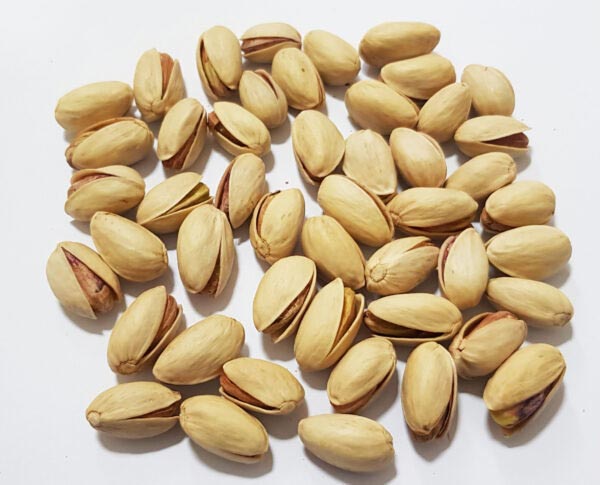
Ahmed Aghaei Pistachios
Ahmed Aghaei Pistachios
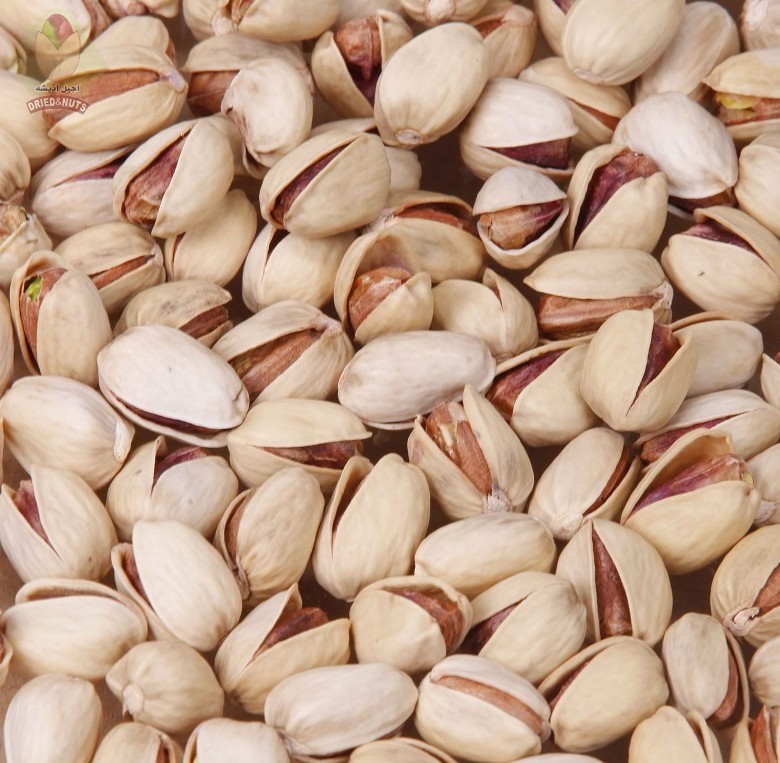
Kalehghouchi Pistachio
Kalehghouchi Pistachio
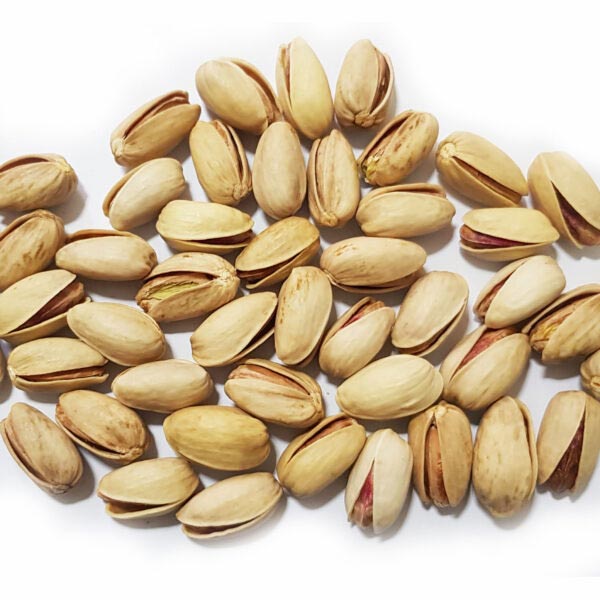
Akbari Pistachio
Akbari Pistachio